














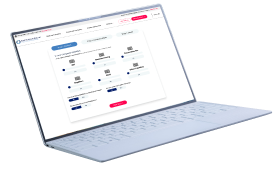
60 Second Test
Understand your company's position and learn more about the options available

Require Immediate Support? Free Director Helpline: 0800 644 6080
Things can get overwhelming quickly when you’re grappling with different debts. Business loans, credit cards, tax arrears and lines of credit, all with varying interest rates and repayment structures, can be a lot to manage. And that is where debt consolidation products can offer a lifeline.
There are various ways to consolidate business debts, and some methods can even write off a proportion of your liabilities. Here we explore the consolidation methods that can enhance your cash flow, relieve creditor pressure and simplify your debt management.
Business debt consolidation is the process of combining multiple debts into a single monthly repayment. The aim is to simplify the process of managing your debts and make the payments more affordable. That could be by extending the repayment term or paying a lower rate of interest.
There are various business debts you can consolidate, although there may be restrictions depending on the particular method you use. They include:
Some products even allow you to consolidate HMRC debts, like VAT or PAYE bills. That can protect you from enforcement action while you continue trading and catch up on your arrears.
Free 60 Second Test
For Ltd Company Directors
What are you looking to do?
Choose below:
The first step is to assess your liabilities. If you have multiple debts with varying interest rates and due dates, you could be a good candidate for debt consolidation. You can then explore your options, which can include everything from specialist debt consolidation loans to formal insolvency procedures, such as a Company Voluntary Arrangement (CVA).
Importantly, debt consolidation is not a fix-all for every business. Some products may reduce your monthly repayments, but the total cost of the debt may be higher due to an extended term. There can also be fees associated with the new agreement, and some lenders will ask you to provide business assets or a personal guarantee as collateral. That increases the risks if you cannot stick to the new deal.
“I completed the simple on line form, received the free guide by email immediately and then a call from Tom who was so very helpful. Highly recommend this service”
Pauline Whitehead
There are several ways to consolidate your business debts. The right option for you will depend on your business’s structure, its financial situation and the type of debts you’re dealing with.
A debt consolidation loan involves you borrowing enough money from a single lender to repay all the debts the company owes. You then replace those multiple debts with a single monthly payment, preferably on improved terms.
Settling debts with lenders, suppliers, HMRC and landlords allows you to continue running your business without creditor pressure and threats of legal action. You may also be able to arrange a debt consolidation loan with an extended payment term. That will reduce your monthly payments and free up the cash flow to run your company.
Although debt consolidation loans can bring flexibility and cash flow relief, bear in mind that extending the repayment schedule can lead to higher overall repayments.
Unlike debt consolidation loans, which combine multiple debts into a single repayment, commercial debt refinancing restructures your existing liabilities to make them more manageable. That can involve renegotiating with your current lenders to secure lower interest rates or extend the repayment period.
Alternatively, you can replace your current lenders with new providers and products that offer better terms. To do that, you'll need to find lenders that are open to working with businesses in financial distress. That may include specialist finance providers, alternative lenders or traditional banks that are willing to restructure existing debt.
Choosing the right product is key. Asset-based lending can unlock cash if your business is asset-rich but cash-poor, while invoice finance lets you convert unpaid invoices into immediate cash. You can then use those funds to reduce your debt burden.
Another option is a formal insolvency procedure called a Company Voluntary Arrangement (CVA). It allows you to consolidate unsecured business debts into a single monthly payment, without taking on new credit.
You must work with a licensed Insolvency Practitioner to propose an affordable repayment plan to your unsecured creditors (e.g. suppliers, landlords and HMRC). If your creditors accept the proposal, the CVA becomes legally binding, and you will be able to pay off your debts over a typical period of three to five years.
A key benefit of a CVA is that any remaining unsecured debt at the end of the term is written off. That’s often around 30 to 50% of the original sum, although every CVA is different. Interest is also frozen on the debt, and creditors who are part of the CVA cannot take legal action against you as long as you make the monthly payments.
On the downside, CVAs don’t cover secured debts. That means your secured creditors will still be able to take action against you if you cannot pay what you owe. A CVA will also stay on your company’s credit file for six years.
If you have multiple debts and are under severe creditor pressure, Company Administration can provide legal protection while an Insolvency Practitioner explores options to save the business.
Administration is not a debt consolidation product like a loan or refinancing. It’s a formal insolvency procedure where an administrator (an Insolvency Practitioner) takes control of your business with the primary aim of rescuing the company.
To achieve that, they will look to restructure the business, sell assets or propose a Company Voluntary Arrangement (CVA) so it can continue trading under a manageable repayment plan. However, the administrator is not always able to rescue the company. In that case, the business could sold or liquidated if it is no longer viable.
UK’s number one for director advice
We handle more corporate insolvency appointments than any other UK firm; demonstrating our commitment to helping directors and business owners in financial distress.
The team are available now - 0800 644 6080
If your company’s debts are at such a level that the business is no longer viable, it is likely to be in everyone’s best interests to close it. You can close an insolvent company voluntarily through a Creditors’ Voluntary Liquidation (CVL).
You must appoint an Insolvency Practitioner to take control of the company and wind it up on your behalf. As part of that process, they will sell the company’s assets and use the proceeds to repay its creditors according to their priority.
The company will be dissolved, and as long as you have met your legal duties as a director and not signed a personal guarantee, any debts it cannot pay will be written off. You may also be eligible to claim director’s redundancy pay, which can provide some welcome financial stability.
If your company is struggling with unmanageable debts, we can help you explore your options. We will discuss your circumstances, assess your finances and help you determine the most suitable route forward. We can then guide you through the process from start to finish. Please get in touch for a free consultation or arrange a meeting at your local office.


Still unsure whether liquidation is right for your company? Don't worry, the experts at Real Business Rescue are here to help. Our licensed insolvency practitioners will take the time to understand the problems your company is facing before recommending the best course of action going forward based on your own unique circumstances.

Complete the below to get in touch
For Ltd Company Directors
What are you looking to do?
Choose below:
We provide free confidential advice with absolutely no obligation.
Our expert and non-judgemental team are ready to assist directors and stakeholders today.
Understand your company's position and learn more about the options available

Find your nearest office - we have more than 100 across the UK. Remote video and telephone meetings are also available

Free, confidential, and trusted advice for company directors across the UK