













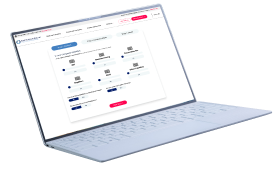
60 Second Test
Understand your company's position and learn more about the options available

Require Immediate Support? Free Director Helpline: 0800 644 6080
If your company cannot pay its debts when they are due or the value of its assets outweighs its liabilities, it is technically insolvent. This is likely to be a very stressful time for you, but you still have options when your company is insolvent.
There are professionals who can help you, and procedures you can use to navigate this tricky period and keep on trading. Alternatively, if your debts are insurmountable, you can close the company in an organised and efficient way, and any debts it cannot pay will usually be written off.
As a company director, the way you act when you know, or ought to know, that the company is insolvent is very important.
When a company is insolvent, you have a legal duty to act in the best interests of the company’s creditors. That means protecting the business’s remaining assets and avoiding actions that would worsen your creditors’ positions. Not taking these duties seriously could lead to severe financial and legal consequences.
Exactly what acting in the best interests of the company’s creditors looks like in practice depends on the particular circumstances you find yourself in. For some businesses, ceasing to trade may be the best way to avoid incurring further debts they cannot repay. On the other hand, continuing to trade could lead to the completion of an order or contract that brings in vital funds and increases your creditors’ return.
Seek professional advice
Deciding how best to proceed is not a decision you should make alone. Seeking professional advice from a licensed Insolvency Practitioner as soon as you suspect your company is insolvent is strongly recommended.
We will review your financial position, assess the situation objectively and talk you through your insolvency options. We’ll also help you understand your legal duties as a director and advise you on the most appropriate route forward, including whether you can continue to trade.
Broadly speaking, you have six options when your company is insolvent. These range from debt repayment plans and company rescue procedures to formal closure routes. The financial position of your business, its future viability and your appetite to continue running it will determine the best option for you.
1. Secure new funding
If your business has relatively low levels of debt and is otherwise viable, seeking additional funding could provide the cash flow you need to get back on track. However, you must be extremely careful not to breach your legal duties by creating new debts you cannot repay. That’s why you should only take this approach after receiving professional advice.
There are several options here. The shareholders or directors could invest personal funds in the business to cover the bad patch. Alternatively, you could sell a non-essential asset or explore alternative forms of finance, such as invoice finance or asset-based lending.
Pros
Cons
2. Negotiate an informal repayment plan with your creditors
If you have a small number of debts that are pushing you into insolvency but a profitable core business, it might be possible to restructure those debts to give you more time to pay what you owe.
Contacting your creditors, being honest about your situation and explaining your plans to get back on track can carry a lot of weight. And from a creditor’s perspective, arranging a payment plan that allows you to clear the debt in instalments will usually be preferable to pursuing you through the courts.
If you have unpaid tax, HMRC offers tax repayment plans, known as Time to Pay Arrangements, that allow you to clear VAT, PAYE, NIC and Company Tax liabilities over a typical period of three to 12 months. These arrangements have some in-built flexibility, so you may be able to extend them if your circumstances change.
Pros
Cons
3. Propose a Company Voluntary Arrangement
If your company has multiple creditors but a viable underlying business model, a Company Voluntary Arrangement or CVA can be a very effective way to restructure your debts. Unlike the other options we’ve discussed so far, a CVA is a formal insolvency procedure. That means you’ll need a licensed Insolvency Practitioner (IP) to help you put it in place and supervise it going forward.
With the Insolvency Practitioner’s help, you will create a repayment proposal to present to your creditors. If 75% of them (by value of debt) accept your proposals, you will be able to repay what you owe in monthly instalments, typically over three to five years.
Pros
Cons
4. Enter Company Administration
If your company has significant debt and is under severe creditor pressure, but still has a realistic chance of recovery, Administration could be an option. This procedure is usually best suited to medium-sized or larger businesses due to the costs involved.
In Administration, you appoint an Insolvency Practitioner to take control of the company and assess the best course of action. Their primary goal is to rescue the business as a going concern. If that's not possible, they may propose a restructuring plan, such as a Company Voluntary Arrangement (CVA), or sell the business through a Pre-Pack Administration. If neither option is viable, they will aim to realise assets in a way that provides a better return to creditors than immediate liquidation.
Pros
Cons
5. Liquidate the company voluntarily
Another option for an insolvent company is to close it down. If the business has no realistic prospect of recovering or you no longer want to run it, you can close it voluntarily by putting it into a Creditors’ Voluntary Liquidation (CVL).
You will need to appoint an Insolvency Practitioner to liquidate it on your behalf. They will take control of the company, sell any assets and use the proceeds to repay the creditors as much as possible. They will then close the company and, as long as you have met your legal duties as a company director and have not signed a personal guarantee, any remaining debts will be written off.
Pros
Cons
6. Compulsory Liquidation
If you do not act quickly, a creditor owed more than £750 can petition the court to wind up your company. If they’re successful, the company will be forced into Compulsory Liquidation. In this case, a liquidator will sell the company’s assets to repay the creditors before removing it from the official register.
Pros
Cons
If you’re worried that your company is insolvent, we’re here to help. At Real Business Rescue, we offer free initial insolvency advice to help you make informed decisions. Please get in touch or arrange a meeting at your nearest office.


Still unsure whether liquidation is right for your company? Don't worry, the experts at Real Business Rescue are here to help. Our licensed insolvency practitioners will take the time to understand the problems your company is facing before recommending the best course of action going forward based on your own unique circumstances.

Complete the below to get in touch
For Ltd Company Directors
What are you looking to do?
Choose below:
We provide free confidential advice with absolutely no obligation.
Our expert and non-judgemental team are ready to assist directors and stakeholders today.
Understand your company's position and learn more about the options available

Find your nearest office - we have more than 100 across the UK. Remote video and telephone meetings are also available

Free, confidential, and trusted advice for company directors across the UK